
Papermaking
IV. Current Market (2025)
As of 2025, the handmade paper industry is experiencing a resurgence driven by a global shift toward sustainable luxury.
Growth: India's handmade paper industry alone is projected to reach $1.2 billion in 2025, with a 22% annual growth rate.
Economic Impact: The sector directly engages over 150,000 artisans, with women making up approximately 65% of the workforce, fostering social and economic empowerment in rural areas.

Papermaking Craft.
Papermaking handcrafts refer to the artisanal process of creating paper sheets by hand from raw plant fibers or recycled materials, as well as the diverse range of artistic techniques that use paper as the primary medium to create decorative and functional objects.
I. The Process of Handmade Papermaking
The core "handcraft" of papermaking involves forming individual sheets one at a time using pre-industrial techniques that have changed little for centuries.
Pulping: Cellulose fibers from plants (e.g., mulberry, cotton, hemp) or recycled paper are beaten in water to create a slurry called "furnish".
Sheet Formation: An artisan dips a mould and deckle (a frame with a wire screen) into a vat of pulp, lifting it to capture a thin mat of interwoven fibers.
Couching and Pressing: The wet sheet is transferred (couched) onto a felt cloth. Multiple sheets are stacked and pressed to extract excess water.
Drying and Sizing: Sheets are air-dried and often "sized" with substances like gelatin or starch to make the surface suitable for writing or painting without ink blur.
II. Diverse Paper Handcrafts
Beyond the creation of the sheet itself, papermaking handcrafts encompass various manipulative arts:
Origami & Kirigami: The Japanese arts of paper folding (origami) and folding with cutting (kirigami) to create 3D figures.
Quilling: Rolling and shaping thin strips of paper into intricate decorative designs.
Decoupage: The technique of decorating objects by gluing paper cutouts onto surfaces and finishing them with varnish.
Paper Sculpting & Mâché: Using pulp or layered paper strips with adhesive to build three-dimensional forms.
III. Importance for Art Aesthetic and Cultivation
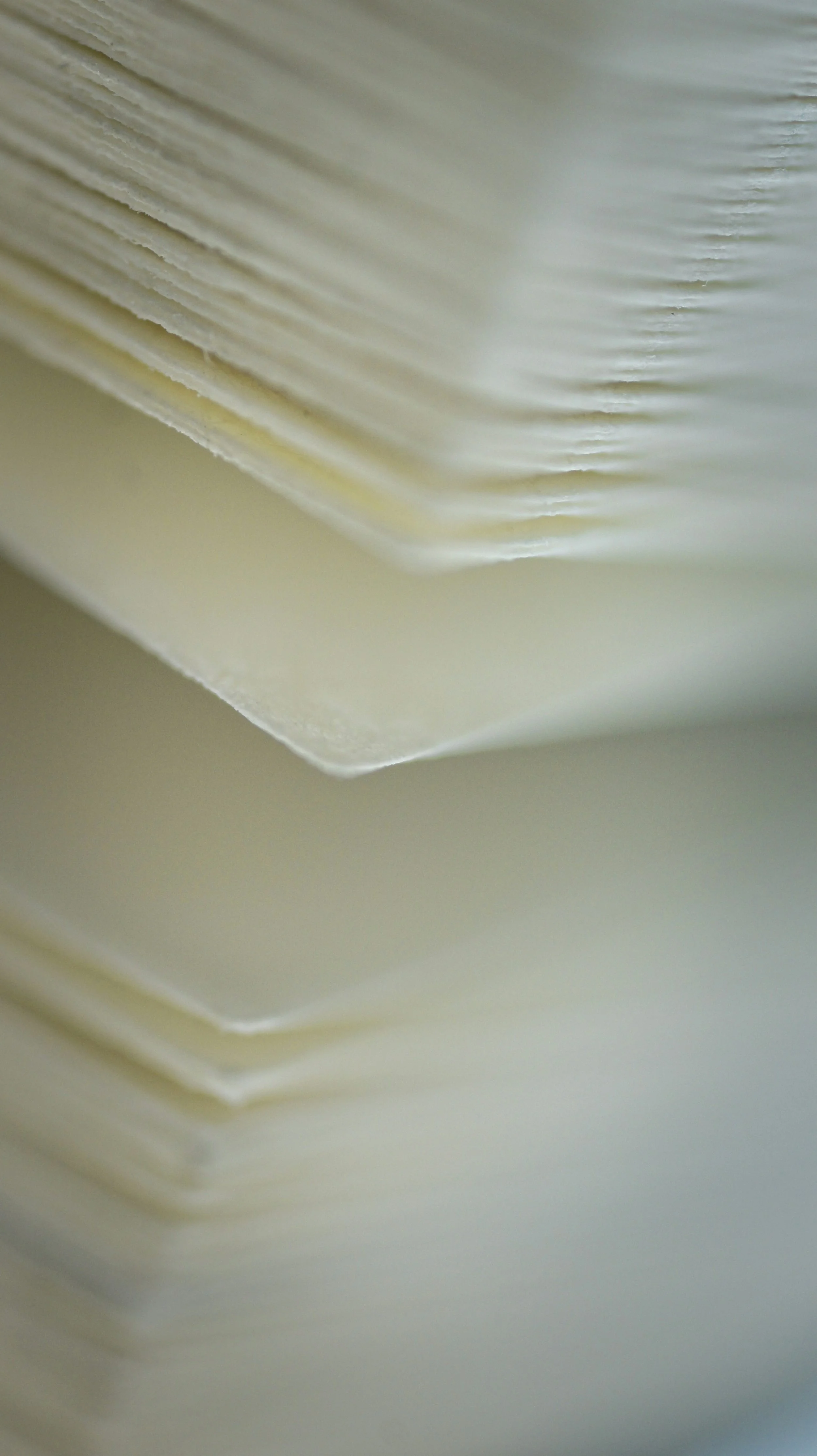
Aesthetic Uniqueness: Every handmade sheet is distinct, featuring "deckled" (rough) edges, unique textures, and natural variations that machine-made paper cannot replicate.
Tactile Connection: In a digital era, the physical weight and texture of handmade paper provide an emotional and "human-touch" experience for luxury stationery and fine art.
Sustainability: Handcrafts promote eco-conscious cultivation by using agricultural waste (like cornhusks or banana fibers) and recycled materials, reducing the need for wood pulp and harsh chemicals.
Therapeutic Value: The repetitive, meditative rhythm of tearing, pulping, and pressing is recognized for its mindfulness benefits, helping to reduce stress and anxiety.