
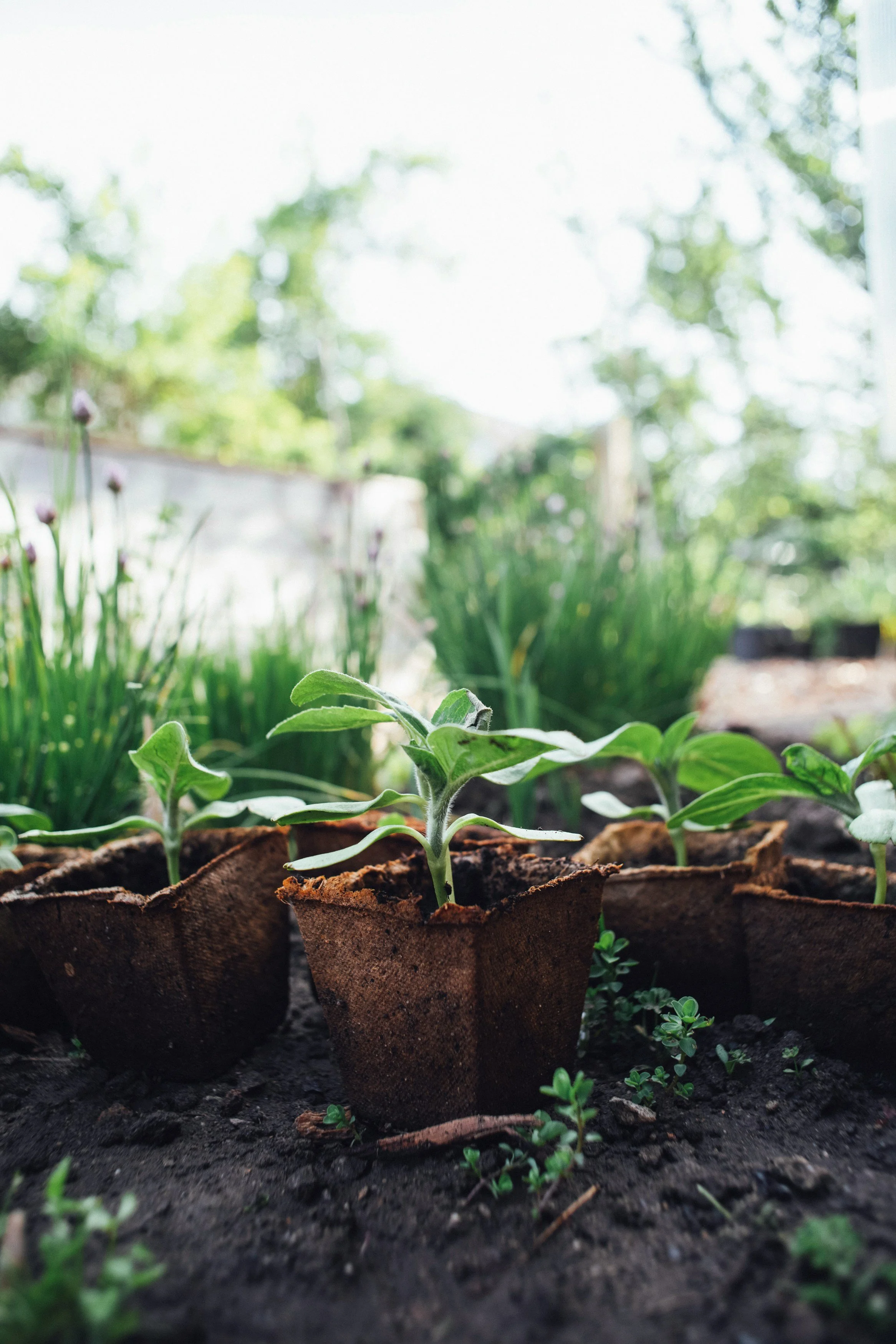
the art of potting.
The art of potting plants, or container gardening, serves as a vital bridge between human civilization and the natural world, combining horticultural necessity with artistic expression.
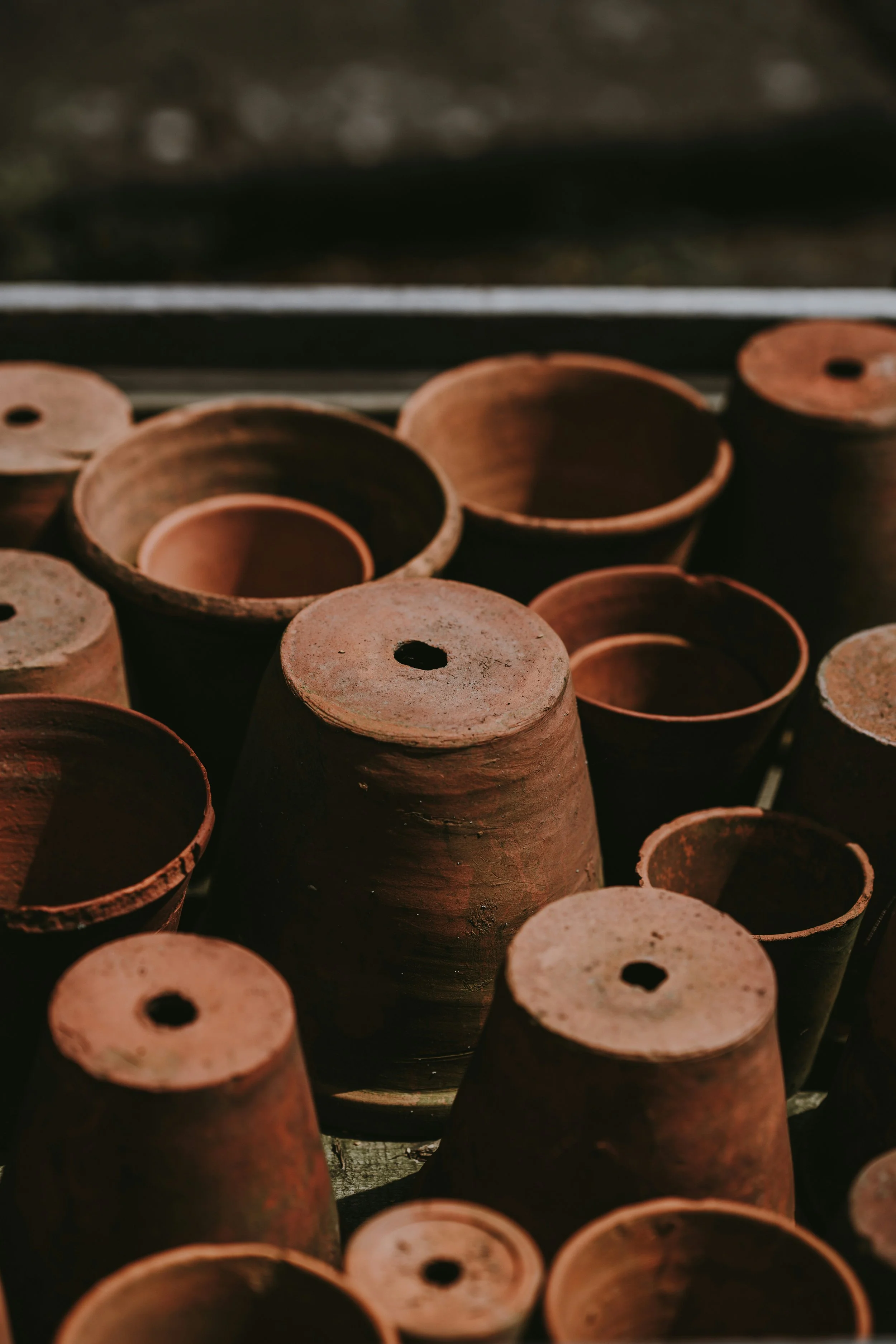
III. Artistic Aesthetic & Symbolism
Beyond utility, the "art of potting" is a significant design element.
Visual Design: Pots allow for intentional arrangements of height, color, and texture that are impossible with ground gardening, creating "portable" landscapes.
Cultural Symbolism: In various cultures, potted plants have represented fertility, prosperity, and spiritual well-being.
Design Eras: From the elaborate mythological motifs of Roman terracotta to the sleek, minimalist lines of 20th-century modernism, pot design reflects prevailing artistic movements.
Interior Harmony: In modern design, potted plants act as living sculptures that purify the air and provide a psychological "connection to nature" in urban environments.
Potty about potting
The art of potting plants, or container gardening, serves as a vital bridge between human civilization and the natural world, combining horticultural necessity with artistic expression.
I. Historical Context
The history of potting plants is deeply intertwined with agricultural progress and urban expansion.
Ancient Origins: Evidence of clay flower pots dates back over 5,000 years to Mesopotamia, where Sumerians used them to manage soil quality and supplement food supplies in dense urban centers like Ur. Early Egyptians and Chinese civilizations also used clay pots for medicinal herbs and sacred plants like the lotus.
Classical Period: The Greeks and Romans elevated pots to an art form, utilizing terracotta and marble to decorate courtyards and villas with vivid flowers.
Renaissance to Industrial Era: During the Renaissance, ornate pots became status symbols of wealth and power. The 18th-century Industrial Revolution made pots more accessible through mass production, while the 19th-century Victorian era saw a boom in houseplant popularity as collectors brought tropical species from around the world.
II. Importance for Cultivation
Potting is a critical tool for plant health and botanical study.
Environmental Control: Pots allow gardeners to shield plants from harsh weather, pests, and excessive sunlight by moving them to optimal locations.
Resource Management: Containers facilitate precise control over water and nutrient delivery, preventing runoff and soil erosion.
Scientific Study: Modern plant biology relies on pots for controlled experimentation. Research shows that doubling pot size can increase biomass production by 43%, as restricted root space often leads to reduced photosynthesis.
Global Mobility: Historically, pots were essential for transporting delicate seedlings—such as breadfruit and orchids—across continents for global trade and botanical collections.